Skip to content
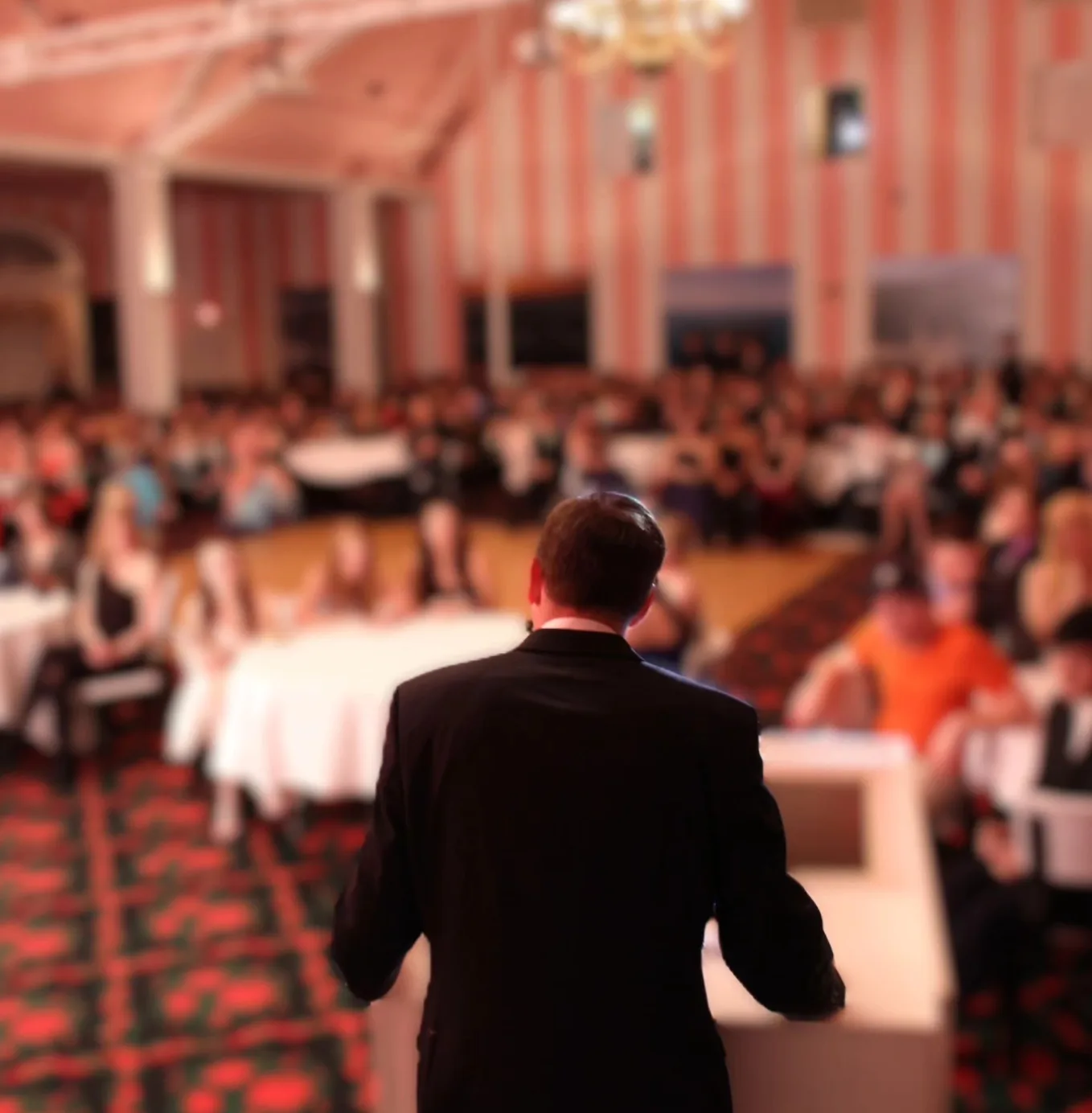
A speaker at a lectern, seen from behind, facing a ballroom of round tables under a chandelier
MSCI

May 14-16, 2027

Three days on Mackinac Island

A tournament, a professional development conference, an election and an awards night — all in one weekend at the Grand Hotel, as MSCI has run it since the early 1980s.

Courtesy of Michigan Speech Coaches, Inc.

The weekend

How the three days run

The 2027 tournament director is Heather McKaig. An assistant director is still to be named.

The Grand Hotel is the venue and the accommodation both. The Mackinac grant covers a new coach’s room, meals and every event of the weekend.

Entered on MiSpeechHub — opens when the director publishes it.

Friday

3:00 pm
General Membership Meeting and elections
Evening
Evening of Champions, and the Hall of Fame induction

Saturday

Morning
The tournament
Through the day
Professional development sessions
Lunch
The Poetry Slam final, in the theatre
Afternoon
Coach of the Year awards, Guest of Honor reception

Sunday

Morning
Breakfast, and the boats home

The tournament

What is competed

The spring tournament opens the next high school season and closes the current middle school one, which is why the rules about pieces differ by level.

2027 events so far

MSCI has published these two for 2027. The themed events are added when MSCI announces them.

The 2026 slate

  • Early 2000s Song Lyrics Impromptu
  • Sci-Fi/Fantasy Sales
  • Duo Informative
  • Reality TV Interpretation
  • Mini Multiple: Wait...That's not Right
  • Horrific Interpretation
  • Poetry Slam
  • Progressive Debate

What a student may bring

High school students
Must present a new piece, and may not use a piece performed in a past or present competitive season.
Middle school students
May use one of their two pieces from the current MIFA season, or a new one, as long as it suits the category.
Everyone
No stools, chairs or cubes. Grand Hotel furniture is not a prop, and using it risks disqualification.

Published rules

Poetry Slam and Progressive Debate

Two events on the slate are scored unlike anything in the regular season, so MSCI publishes them in full. The rest are described when the year's events are announced.

Poetry Slam

Students perform their original poetry in a spoken-word competition evaluated by 5 judges (scored on a scale of 1-10, using one decimal point). Poems must be no longer than 3 minutes. Students may not use any props, stools, or musical accompaniment. Poems and physical actions must still comply with the Standards For Performance. The high and low score will be dropped and the three remaining scores will be added together to determine the poet's score for the round. There will be a .5 deduction for each 10 seconds the poem goes over 3 minutes, with a 10-second grace period. This means that the penalty goes into effect at 3:11. All participants need to be prepared with a minimum of 3 poems, as students may not repeat poems and will need a third poem if they qualify for the final round. There will be 2 preliminary rounds of slam, so each poet will read at least twice. Students will be placed in sections of 4-8 for each flight. There may be 2 or more flights of slammers in each round. The final round will take place in the theatre during lunch. After finals, Slam participants will eat lunch and spend the remainder of the day participating in a writer's workshop.

These are the rules this site’s tabulation engine implements — five judges, the high and the low dropped, and the clock biting at 3:11.
Progressive Debate

In Progressive Debate individuals, as opposed to teams, debate, using the April NSDA Public Forum topic. There are 4 to 6 debaters in each round, who draw for order at the beginning of the round. Speaker one presents a short PRO constructive speech (2½ minutes). Speaker two, and each speaker after, may EITHER take 2 minutes of prep and then cross-examine the speaker before them for 2 minutes, OR cross-examine first and then take the prep — it is their choice. They then give a 5-minute speech: a CON rebuttal to the previous speaker's PRO (about 2½ minutes), then their own PRO constructive (about 2½ minutes). This continues until the last speaker has given their PRO. The first speaker then takes prep and cross-examines the last speaker, in either order, and closes with a CON rebuttal against them (2½ minutes). During prep, debaters may use notes, research and the internet, but may not contact any person. Evidence must be cited with at least its author or source and its date. Speakers are scored like an individual event: 1/100, 2/99, 3/98, 4/97. Judges are often lay judges with no special debate training.

The ballot

Expectations

Standards for Performance

All performances should be appropriate for a general audience. Although these presentations are not specifically designed for children, the material should be deemed suitable for family viewing. The material may contain little to no violence, no strong language, no drug use or references and no sexual dialogue or situations. The performances can contain witty jokes and humor and some snippets of language may go beyond polite conversation, but they are common everyday expressions. It is expected that in all categories these considerations will still be followed.
MSCI, reproduced as published

Spirit of competition

While this competition is meant to be a “fun” tournament, we expect a reasonable level of professionalism and decorum. In the “spirit of competition,” students should be prepared accordingly. Pieces should reach minimum time recommendations, be reasonably prepared, and be appropriate for presentation to a public audience. Further, performance pieces should never ridicule or degrade other participants, schools, or the activity. Pieces should meet the standards for appropriateness used during the regular competition season. Failure to meet these standards may incur scoring penalties or other team sanctions determined appropriate by the tournament director and/or the MSCI Executive Board.

Professional development

PD at Mackinac

Saturday sessions, open to everyone at the conference and free with attendance. The Mackinac grant asks its recipients to sit in on one.

Sessions MSCI has run

  • Panel Discussion: Lessons Learned in a Virtual Year
  • Constructive Critiques: Providing Ballots That Make a Difference
  • Cultural Responsiveness and Equitable Judging Practices
  • Tournament Safety and Crisis Management Plans
  • Understanding Copyright Compliance in Speech and Debate
  • Fundraising Ideas
  • How to Prepare for the Season Before the Season Starts
  • Speech Activities, The Common Core, and The Future of Michigan Forensics
  • How Yoga and Breathing Exercises Help Competitors Enhance Their Performance
  • Collecting Meaningful Assessment Data in Speech Courses
  • The State of Speech Activities Across the Country
  • Creating Creative Visual Aids
  • Finding and Developing Great Oratory Topics
  • Public Forum Debate Workshop
  • Addressing ELA Common Core Requirements and Preparing for the SAT through Public Speaking Instruction
  • Creative Instruction and Total Participation Techniques for Public Speaking Instruction in Language Arts Classes
  • How to prepare students for Poetry Slam competition in Public Venues and at Invitational Tournaments
  • Professional Responsibility: Marketing Public Speaking Programs for Public Education

The 2027 programme is announced closer to the conference. Sessions run in the Baroque Room; they were in the Audubon Room until 2025.

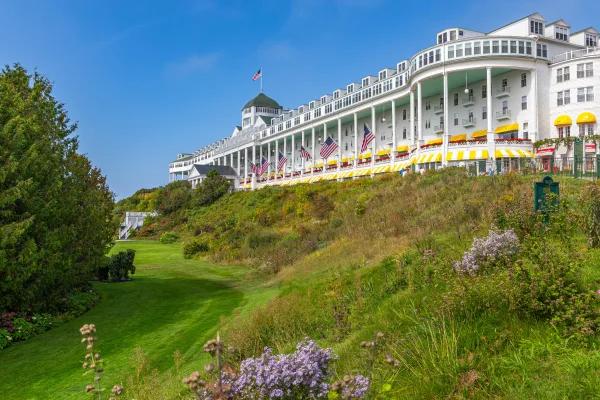
The long white porch of the Grand Hotel, hung with flags and yellow awnings, above a sloping green lawn
The Grand Hotel, Mackinac Island

The record

Tournament results

Every Mackinac tournament the archive holds, each one opening on this site.

The books sit in the results archive, beside every other Michigan meet we have recovered. A year missing here is one the archive does not hold yet.

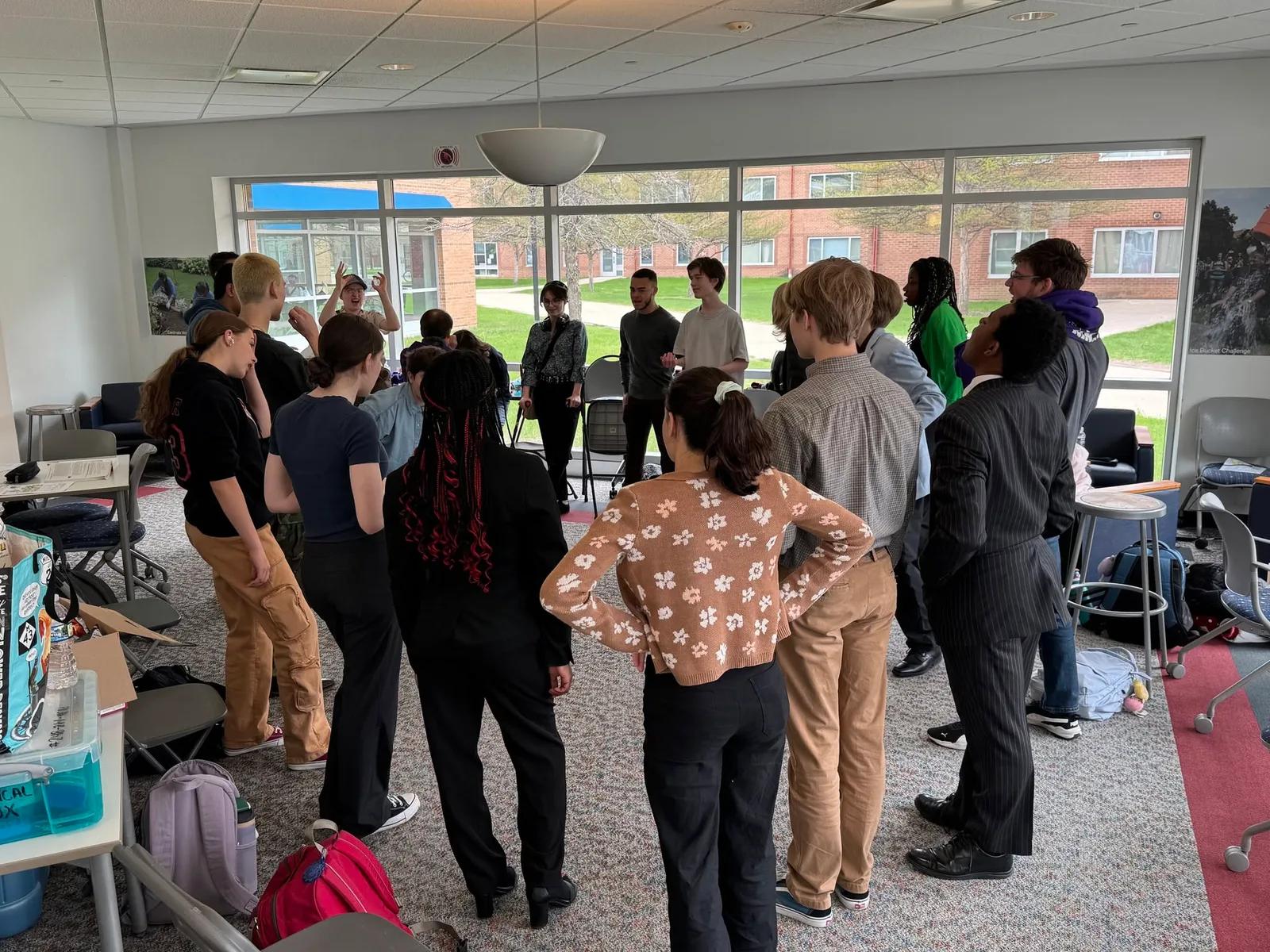
About twenty students standing in a circle in a bright classroom, one of them leading a warm-up
Courtesy of Michigan Speech Coaches, Inc.