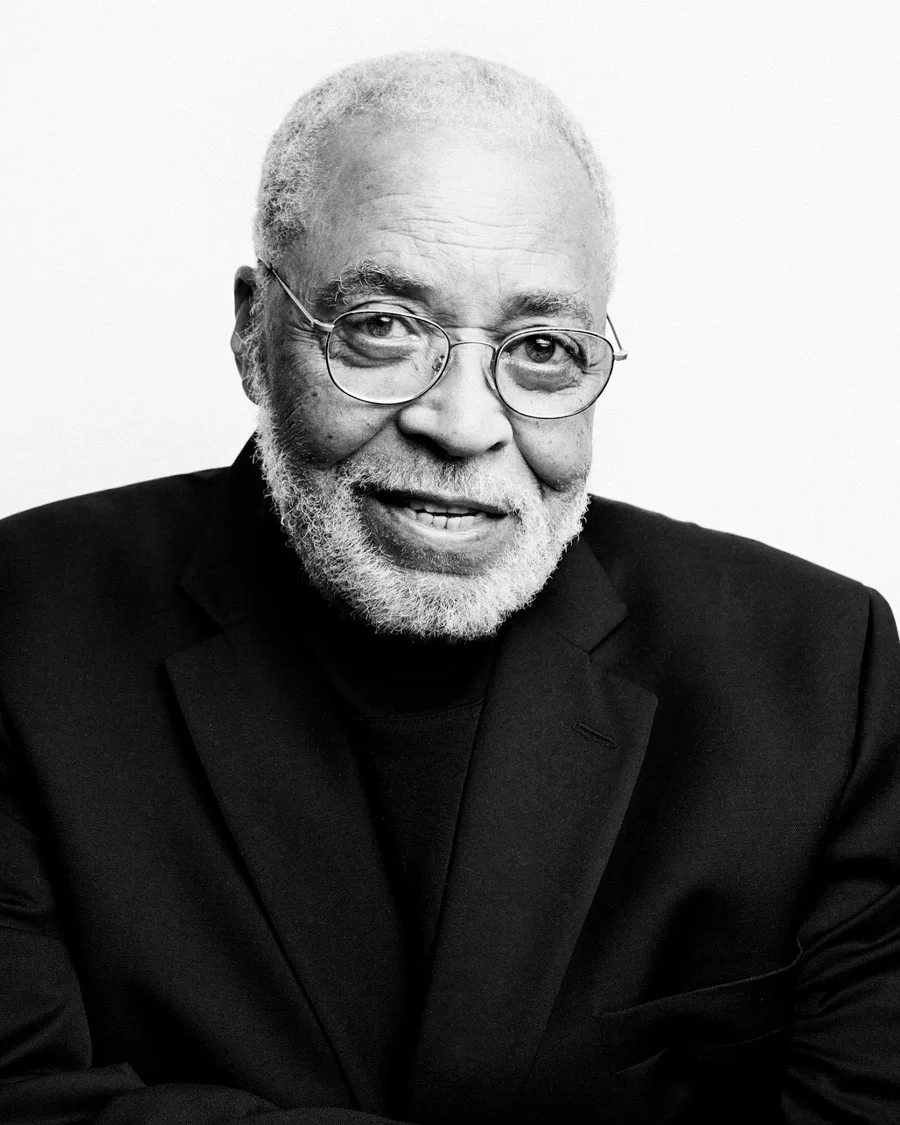

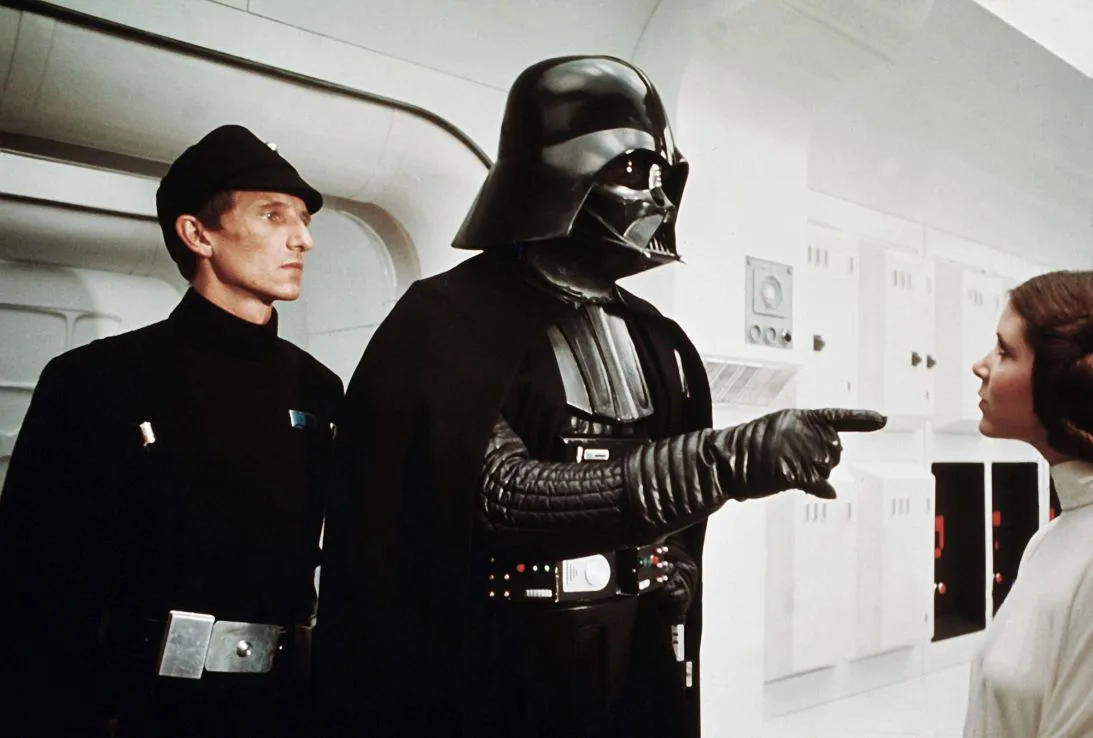
Darth Vader. Mufasa. Troy Maxson in Fences, Jack Jefferson in The Great White Hope, the writer who tells Kevin Costner that people will come. For sixty years James Earl Jones had the most recognizable voice in American acting.
He found it in Michigan, in a high school classroom in Manistee County. And once he had it, he spent it on forensics.
Eight quiet years
Jones was born in Arkabutla, Mississippi, in 1931, and at five moved north to his grandparents’ farm in Dublin, Michigan. The move was hard on him. He developed a stutter so severe that he all but stopped talking. He got through eight years of school nearly silent, answering on paper and writing poetry that no one heard.
He was still not speaking when he started at the Dickson Rural Agricultural School in Brethren, now Brethren High School. One of his teachers there was Donald Crouch, a retired college professor who taught English, Latin and history and gave his students Shakespeare, Emerson and Longfellow. One winter, a government food train brought grapefruit to the county, a luxury Jones had hardly ever tasted. He wrote a poem about it in the meter of The Song of Hiawatha.
Crouch read the poem and told him that the best way to show he had written it was to stand up and say it to the class. Jones stood, shaking, and the words came out whole. No stutter. Crouch had worked out something that every interp coach knows in their bones: for a person who is afraid to speak, a script is a safe place to stand. He told Jones they would use it to get his voice back, and they did.
What he did with it
What came next is the part we like best. In his 1993 memoir, Voices and Silences, Jones wrote that he played some basketball and ran track, but that the time other boys gave to sports he gave to forensics. He listed the events himself, public speaking, orations and interpretive readings, called forensics his extracurricular passion, and counted it among the choices that shaped his life.
“I could not get enough of speaking, debating, orating, acting,” he wrote.
His voice had changed during the silent years, and when it came back it was the deep one the world would come to know. People liked hearing it. He became his school’s champion public speaker and its senior class vice president. In his senior year he won a public speaking contest and a scholarship to the University of Michigan.
He also wrote about the day Crouch drove him to a regional forensics meet in Traverse City. He competed, and afterward the two went to lunch at the nicest restaurant he had ever walked into, where they were told that Black customers would not be served. He wrote that it overshadowed whatever prize he won that day. It belongs in this story because it is his story, and because he kept speaking anyway.
MIFA has governed school speech activities in Michigan since 1917. The boy from Brethren is part of that line.
Ann Arbor, Manistee, New York
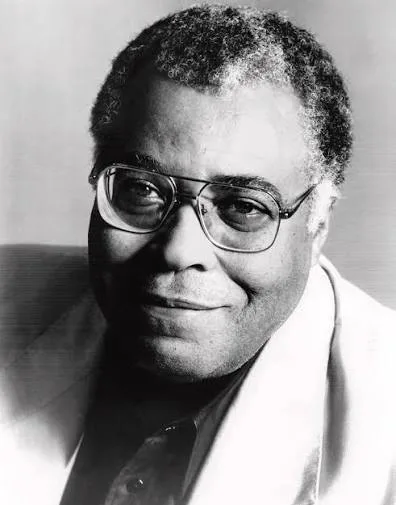
At Michigan he started out in pre-med and found his way to the drama department, graduating in 1955. He spent his summers at the Ramsdell Theatre in Manistee, first as a stage carpenter and then as an actor and stage manager, and he played his first Othello there. After Army Ranger training and service as a lieutenant, he moved to New York to study acting and made his Broadway debut in 1957.
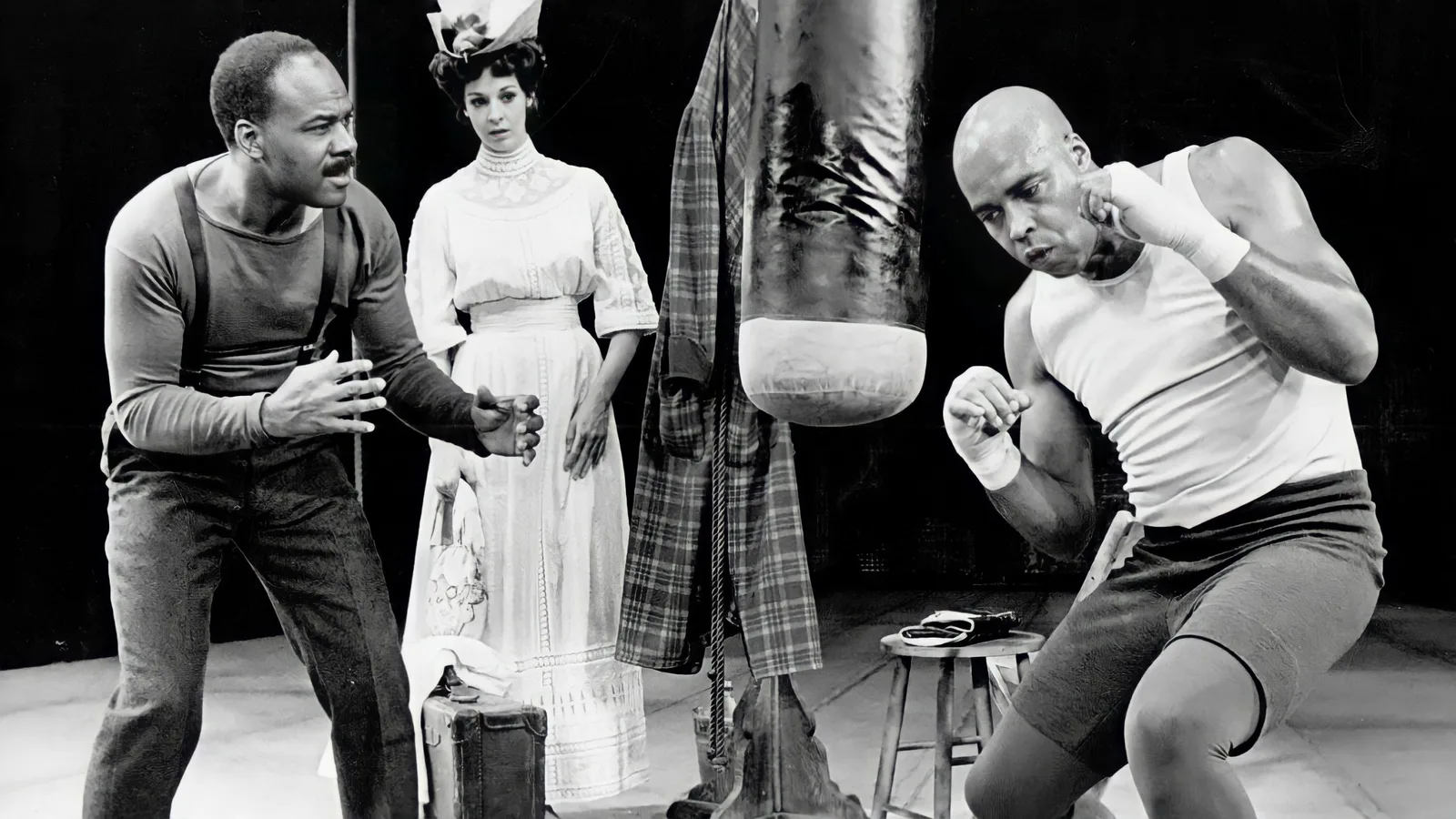
The rest is on the record everywhere. He won the Tony Award in 1969 for The Great White Hope and an Oscar nomination for the film. He won a second Tony in 1987 for Fences. He gave Darth Vader a voice in 1977 and kept giving it for more than forty years, was Mufasa in The Lion King in 1994 and again in 2019, and made Field of Dreams in 1989. In 1991 he won two Emmys on the same night. He won a Grammy, the National Medal of Arts, the Kennedy Center Honors, the Screen Actors Guild’s life achievement award, an honorary Oscar in 2011 and a Tony for lifetime achievement in 2017. In 2022 Broadway renamed the Cort Theatre for him.
He never claimed to have beaten the stutter. He said he simply worked with it.
The statues in Brethren
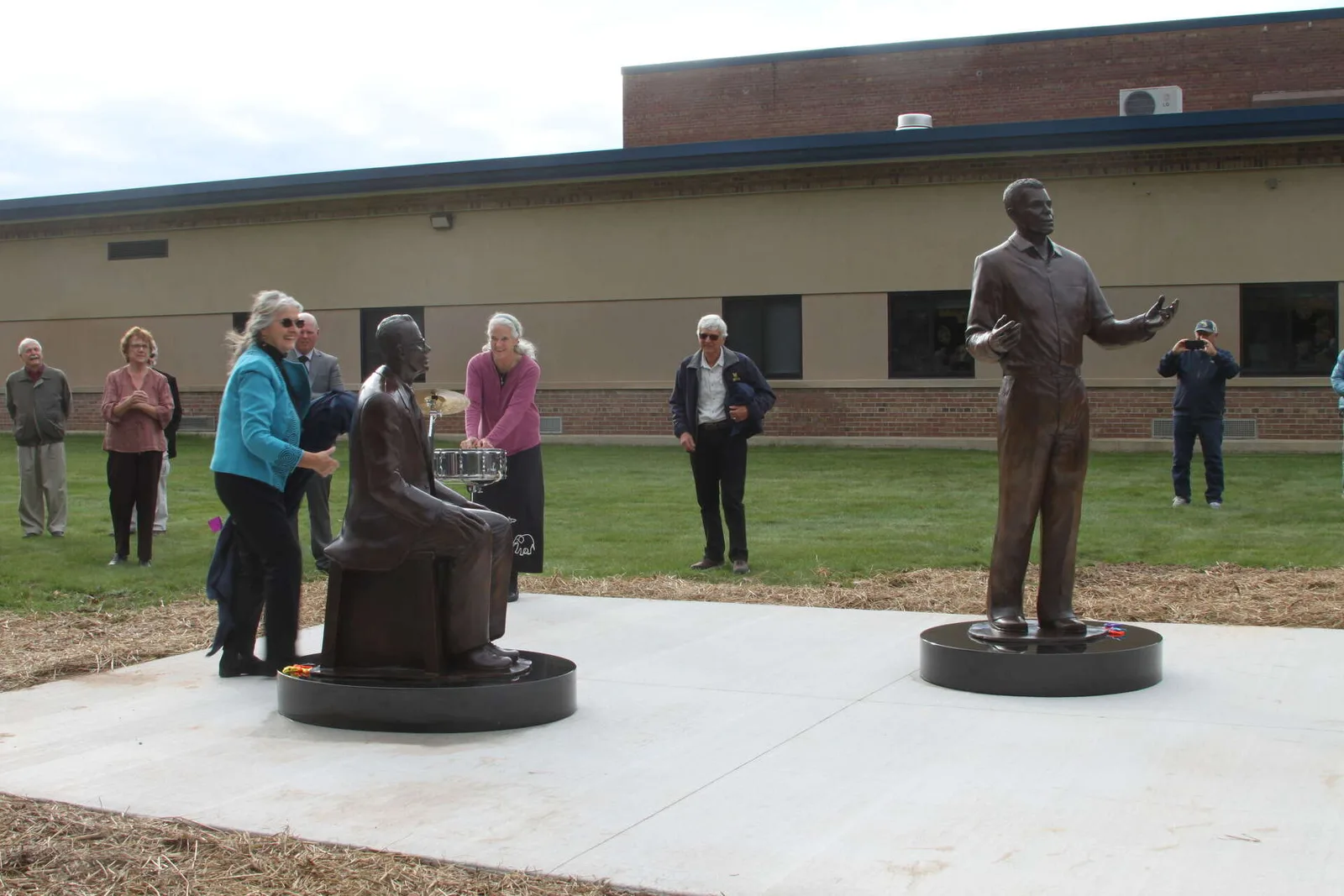
In October 2023 Manistee County unveiled a pair of bronze statues outside Kaleva Norman Dickson Schools in Brethren: James Earl Jones and Donald Crouch, student and teacher, by the sculptor Bernadette Zachara-Marcos. Beside them is a plaque with the names of more than a hundred local mentors nominated by their neighbors.
Jones died on September 9, 2024, at his home in Pawling, New York. He was 93.
Every forensics coach in Michigan is, on a good day, doing what Donald Crouch did: handing a nervous kid a piece of literature and asking them to stand up and say it. Most of those kids will not become James Earl Jones. One of them did.
Not on record
Our results archive reaches back to 1978-79, and James Earl Jones competed before that. What happened in those rounds is remembered rather than filed.