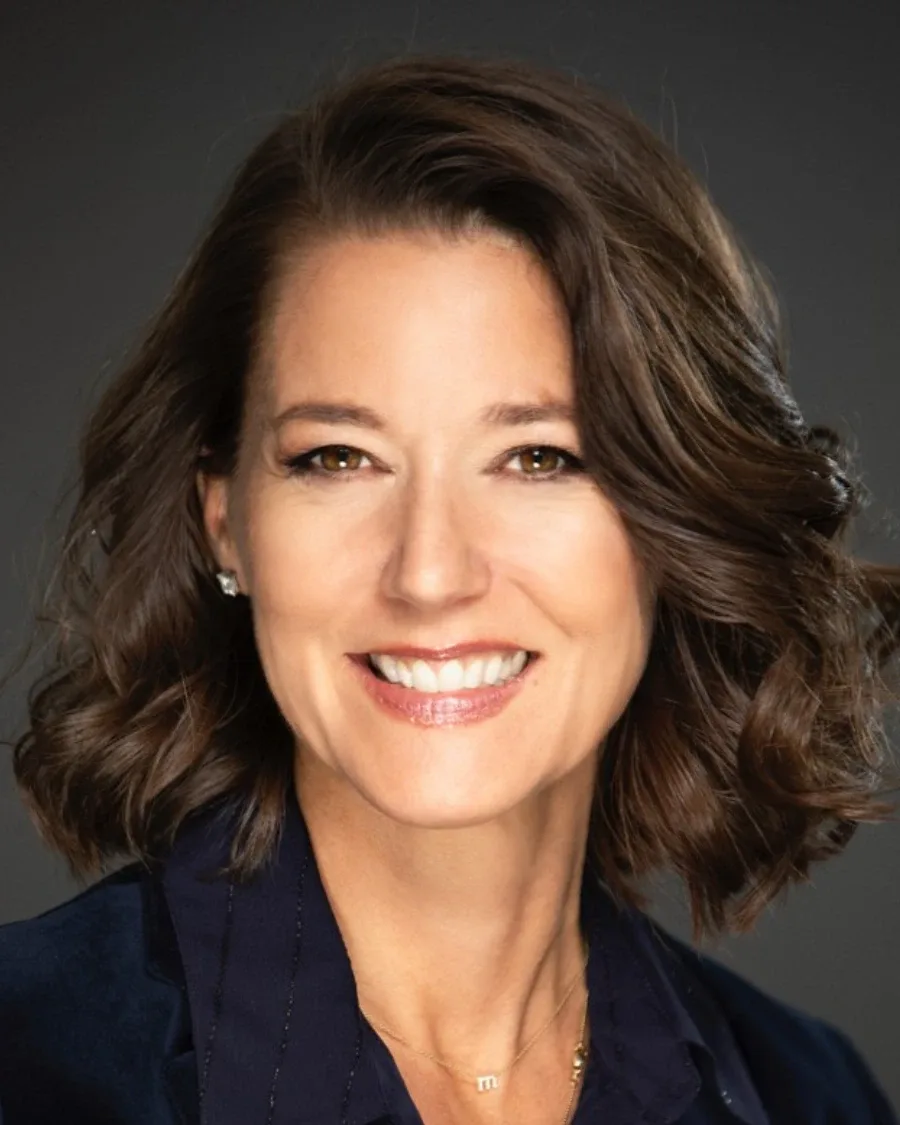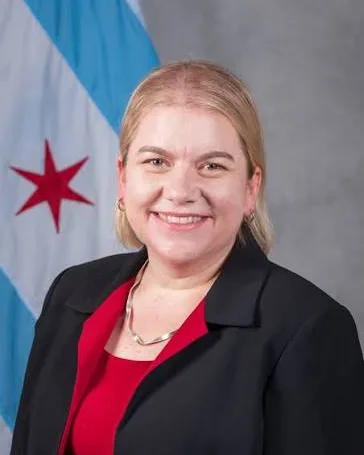


For most of the pandemic, Chicago had a standing appointment. Dr. Allison Arwady, the city's health commissioner, would sit down in front of a camera, take whatever questions people typed at her, and answer them. No script and not much preparation. If a commenter was hostile, she answered that one too. The livestreams were her idea.
She had been confirmed as commissioner nine days before the coronavirus reached the city.
Anyone who knew her at Loy Norrix High School in Kalamazoo would have recognized the format. In Extemporaneous Speaking you draw a question on current events that you have never seen, you get thirty minutes to prepare, and then you stand up and answer it clearly for a stranger. Arwady went to the MIFA State Finals three years in a row, first in Informative and then twice in Extemp, where she made the State final as a junior and finished third in Michigan as a senior in 1994. There was one field for the whole state in those years.
Arwady has said that she has some teacher in her, which she credits to her mother, who taught music.
Kalamazoo to everywhere
She grew up in Kalamazoo, one of four children of a newspaper publisher and a schoolteacher. One of her sisters, Meredith Arwady, is an opera contralto. After Loy Norrix she went to Harvard, and as a student she traveled overseas alone, writing travel guides. Then came a master's in public health at Columbia and medical school at Yale. She is board-certified in both internal medicine and pediatrics.
Her father has described her as fearless, and the résumé backs him up. She spent about a year in Botswana with the Centers for Disease Control and Prevention working on HIV and tuberculosis. She joined the CDC's Epidemic Intelligence Service, the disease detectives, and was sent to Saudi Arabia for MERS and to Liberia for Ebola.
Chicago's doctor
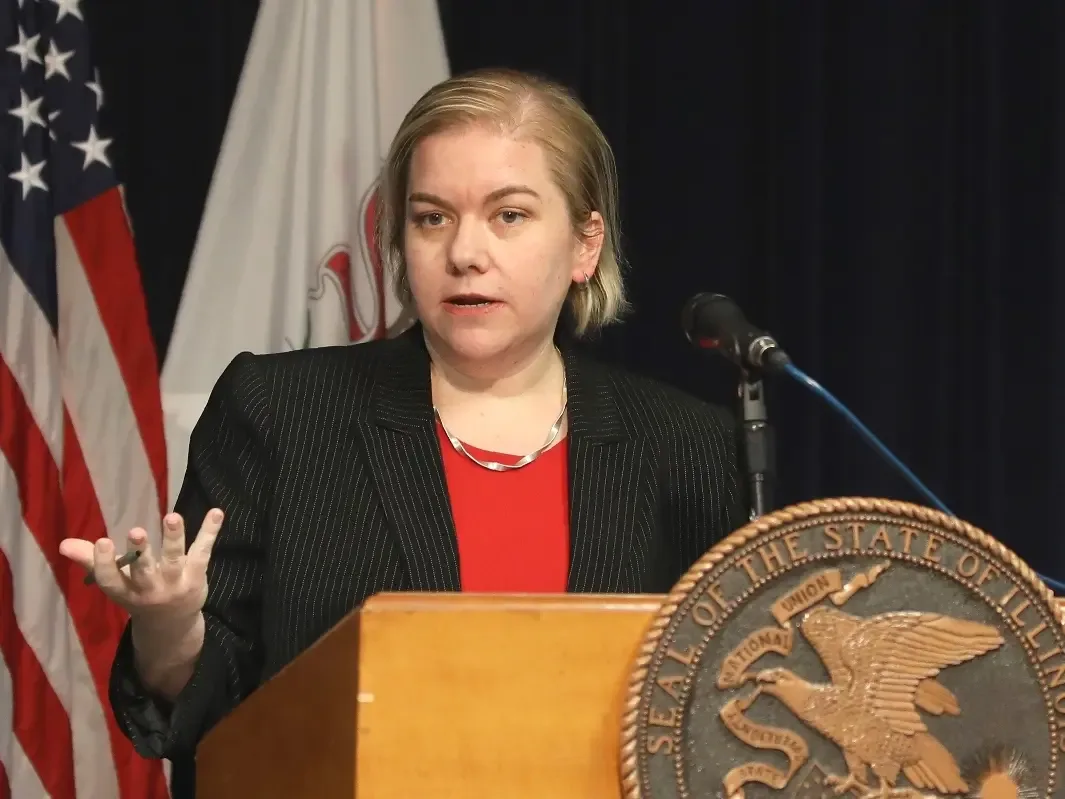
She came to the Chicago Department of Public Health in 2015 as chief medical officer, took over as acting commissioner in 2019 and was confirmed in January 2020. On January 24 she announced the city's first case of COVID-19.
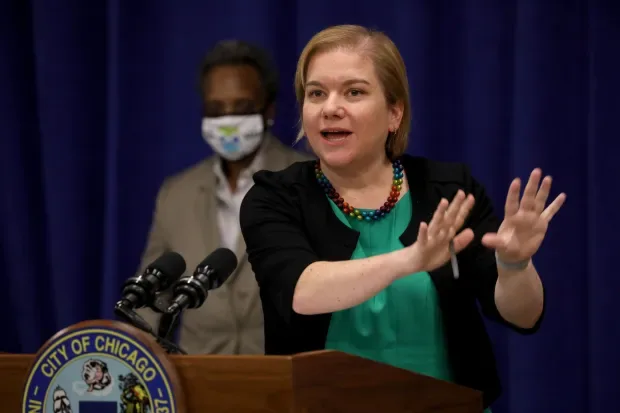
What followed was three years of being the most visible doctor in the Midwest. She explained the science in plain language, week after week. She dressed as a wizard at Halloween to urge people to get their boosters. She threw out the first pitch at the Cubs' home opener in 2021. Beyond the pandemic, she put mental health professionals into the city's 911 response and built a citywide network of clinics that turn no one away. Chicago magazine named her one of its Chicagoans of the Year.
Through all of it she kept a Monday-night commitment that predates the job: since 2014 she has volunteered at a free clinic in Chicago, seeing patients, many of whom need an interpreter.
She led the department until August 2023, when a new mayor chose a new commissioner. In January 2024 she became director of the CDC's National Center for Injury Prevention and Control, the part of the agency that works on overdoses, suicide and violence. She left the CDC in May 2026 and has not yet announced what comes next.
Away from work she has made pottery and led architecture tours of Chicago, with a running commentary on the public health history of the buildings.
Extemp teaches one thing above all: take the question you are handed, not the one you wish you had been asked, and answer it so that anyone can follow. Chicago got three years of that, every week, from a Kalamazoo kid who learned it at sixteen.
On record
Our results archive is still being built and has gaps, so this is simply what we hold today.